There’s a particular kind of mindset that happens when you start caring about food. You find a butcher you trust (that’s gold in itself!). You have opinions about potatoes. You buy the good butter, then become mildly protective of it when someone suggests using it for absolutely everything.
It isn’t about making food complicated. It’s about knowing that a few thoughtful choices can make something ordinary taste and feel rather wonderful.
Yet when it comes to cooking over fire, one ingredient gets surprisingly little attention. We carefully choose the meat, the vegetables and the seasoning, then pick up a bag of charcoal because it happens to be there and it’s good enough - just fire right? Good enough is not enough.
At House of Charcoal, we advocate the same care should carry all the way through the cook. Starting with what’s beneath it.
The key ingredient underneath the Ingredients

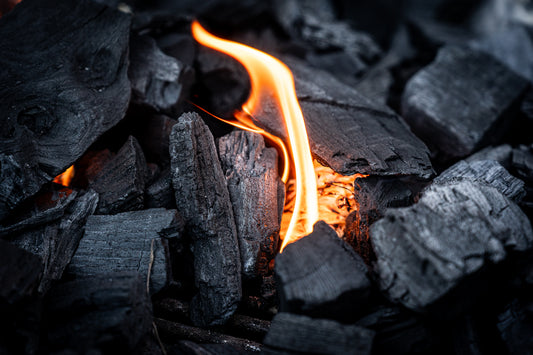
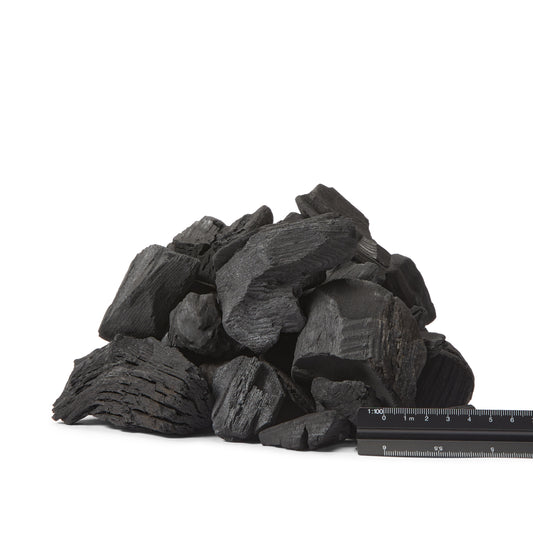
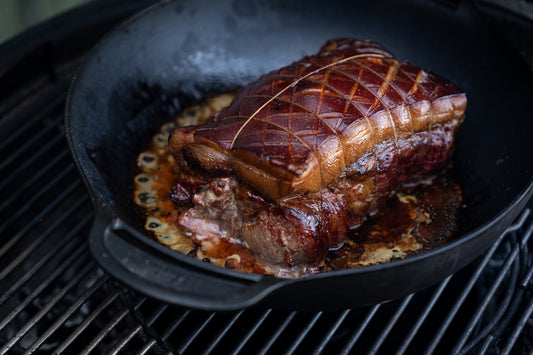
Charcoal does more than get the barbecue hot. It shapes the fire you’re cooking with: how readily it lights, how the heat develops and how it responds when you adjust the airflow. A quick steak and a leisurely Sunday roast ask different things of that fire.
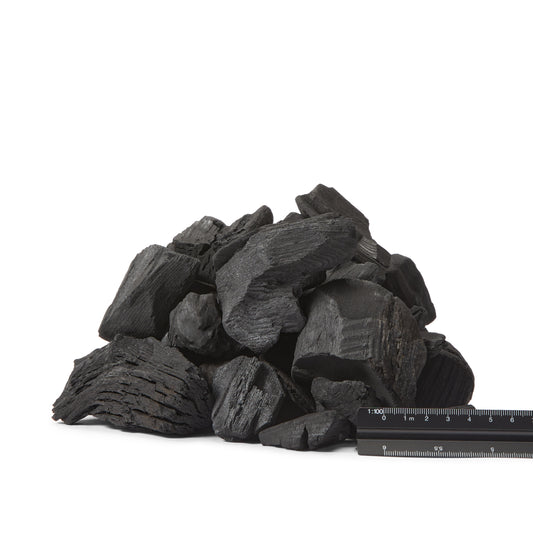
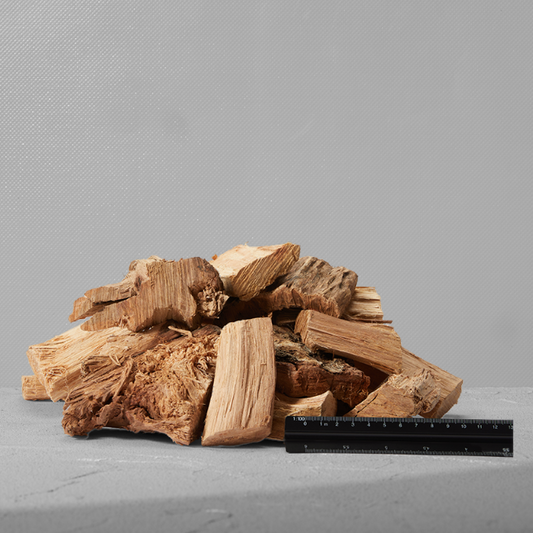
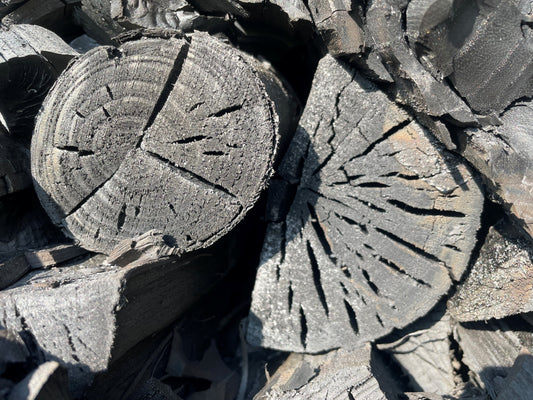
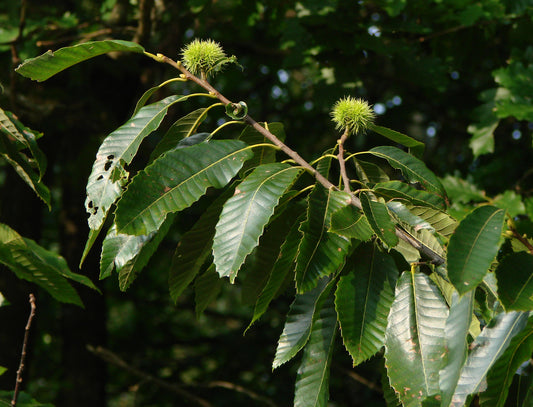
The wood species, the way the charcoal is made and the size of the lumps all play their part. Getting to know those differences helps you choose fuel that suits the food, rather than spending th
e afternoon negotiating with an unsuitable fire, acrid smoke or exploding lumpwood.
Good charcoal should let you concentrate on the cooking. There are enough moving parts in a Sunday lunch without the fuel adding its own subplot.

A bag with a story worth knowing
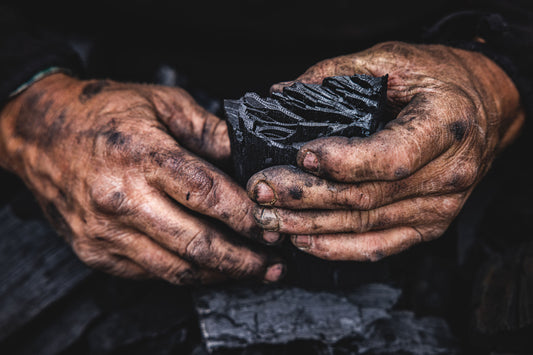
Behind our charcoal are British makers whose work begins long before anything reaches your grill. People
who understand their wood, tend their kilns and take meticulous care over the charcoal they produce.
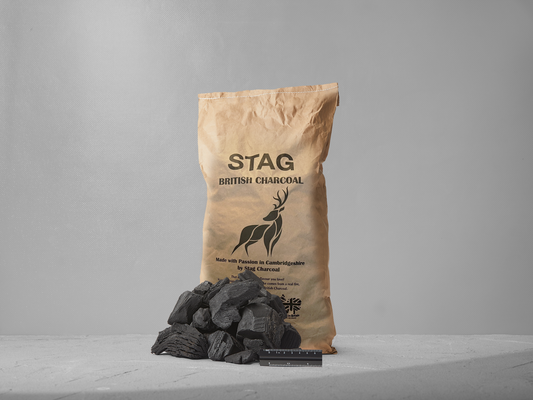
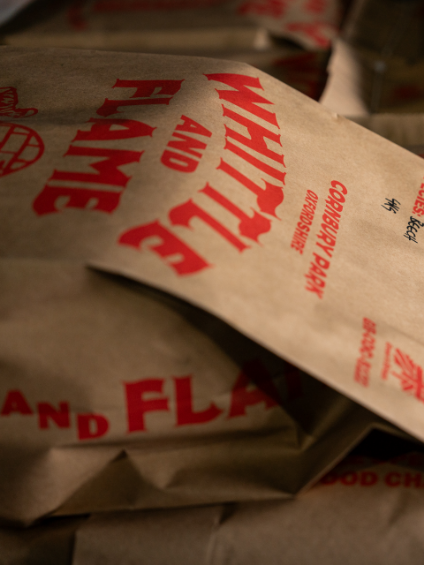
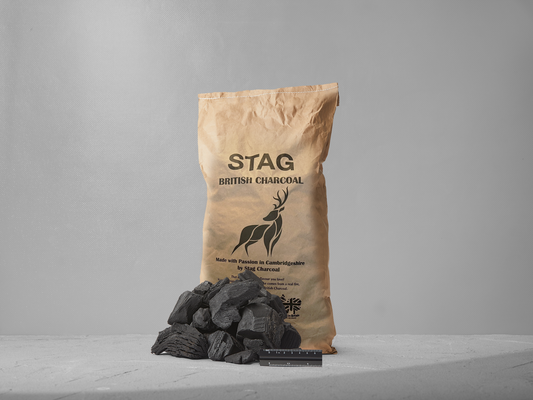
That’s why we put the maker and the origin at the heart of each bag. We want you to know who made your fuel and where the wood grew, just as you might want to know where your meat was reared or your vegetables were grown. For makers working with coppiced and managed woodland, charcoal is also part of a wider story: considerately harvesting wood so nature can flourish, finding a productive use for the timber and supporting the work needed to look after those precious forests.
British provenance means more to us than a Union Jack on the packaging. It means being able to follow the story back to the people who made it and the landscape behind it on our shores.
Something worth caring about
“Good enough is not enough” is how we think about our own job: looking closely at the charcoal we offer, asking questions about its origin, testing it rigorously so it is outstanding and helping you take more enjoyment from cooking with it.
Your Sunday roast doesn’t need to be a competitive event. A slightly uneven potato will still find a willing home on your plate and in your heart. But when you’ve invested financially and emotionally in your food and made time to cook it over fire, the charcoal deserves a place at the core of your thinking too.
Good food. Fuel you know. People worth supporting.
That’s a Sunday lunch we can get behind.